norwegian



Choosing the right label design is an important part of product packaging. For bottled beverages, food products, personal care items, and household products, two common options are front and back labels and wrap-around labels.
Both designs can display product information and support brand identity, but they differ in appearance, label construction, application requirements, and production considerations. Understanding these differences helps you choose a suitable labeling solution for your bottle.
1. What Are Front and Back Labels?
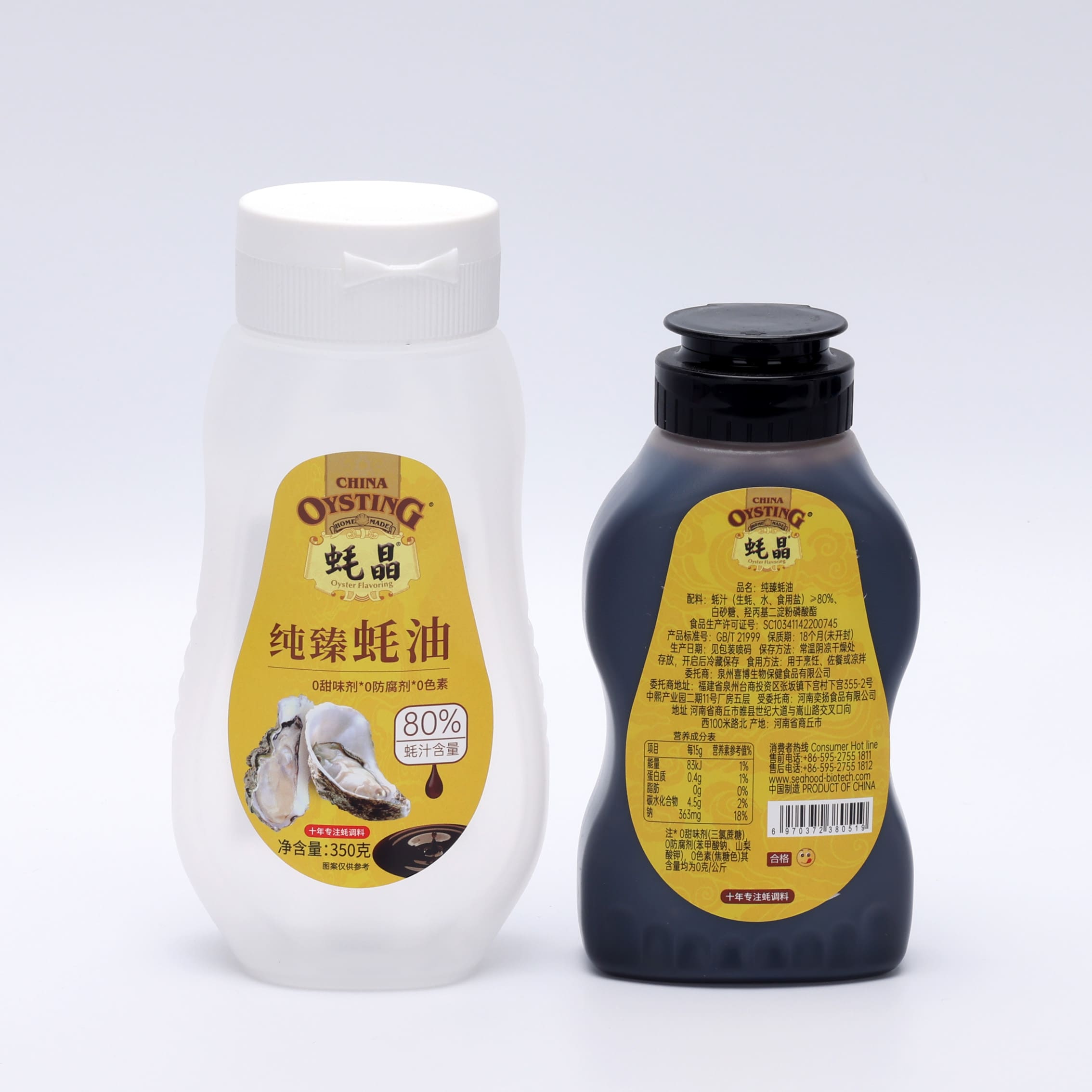
Front and back labels use two separate labels on the same bottle. The front label usually highlights the brand name, logo, product name, and key visual elements. The back label typically contains ingredients, instructions, nutritional information, manufacturer details, barcodes, and other required information.
Key Features
Potential Limitations
Using two separate labels requires accurate positioning to maintain visual consistency. If the front and back labels are applied separately, the labeling process may also require additional positioning or application steps.
This design is particularly suitable when the front label needs a distinctive appearance while the back label must accommodate detailed product information.
2. What Are Wrap-Around Labels?
Wrap-around labels are designed to extend around a substantial portion of a bottle's circumference. Depending on the design, the label may cover most or nearly all of the bottle's available labeling area.
This format is widely used for beverage bottles, food containers, and other cylindrical packaging.
Key Features
Potential Limitations
Wrap-around labels require careful planning of the label length, overlap or gap, and positioning of important design elements. Text or graphics placed near the label edges may become difficult to read or may not align as intended.
Bottle curvature, taper, surface finish, and application method should all be considered before production.
3. Front and Back Labels vs. Wrap-Around Labels
The best option depends on your packaging design, product information requirements, and labeling process.
| Comparison | Front and Back Labels | Wrap-Around Labels |
| Label structure | Two separate labels | One continuous label |
| Design flexibility | Each label can have a different shape and finish | Design follows a continuous layout |
| Information layout | Branding and product details are separated | Branding and information share one label |
| Positioning | Front and back placement must be controlled | Label length and circumferential positioning must be controlled |
| Application | May require two label placements | May allow one label application |
| Typical applications | Premium beverages, cosmetics, specialty food products | Water bottles, juice bottles, sauces, and cylindrical containers |
Actual production efficiency depends on the bottle geometry, label specifications, equipment configuration, and production volume.
4. How to Choose the Right Label Design
Before selecting a label format, consider the following factors.
Bottle Shape and Surface Area
Front and back labels are often suitable for bottles with distinct front and rear display areas. Wrap-around labels are commonly used on cylindrical bottles with a relatively consistent circumference.
For tapered or irregularly shaped bottles, the label dimensions and material flexibility require additional evaluation.
Product Information Requirements
If your product requires extensive ingredients, usage instructions, or regulatory information, a wrap-around label can provide a continuous area for organizing content.
However, front and back labels can also work well when the information can be divided into clear sections.
Always verify applicable labeling regulations for your target market.
Branding and Visual Design
Front and back labels allow the front-facing design to have a different shape, material, or finish from the back label.
Wrap-around labels offer a continuous canvas for illustrations, patterns, and graphics that extend around the bottle.
Label Material and Adhesive
Material selection should match the bottle surface and its operating environment.
Depending on the application, possible materials include coated paper, white BOPP, transparent BOPP, and other suitable synthetic films. Adhesive performance should be evaluated against the bottle material, surface condition, moisture exposure, and application temperature.
For transparent bottles, transparent labels can create a clean, minimal appearance. If white graphics or opaque text are required, white ink may be necessary.
Labeling Equipment
For automatic application, confirm the equipment's supported label dimensions, roll specifications, dispensing direction, and application method.
For wrap-around labels, the label length and bottle circumference are particularly important. For front and back labels, the equipment must support the required positioning and alignment.
Whenever possible, test sample labels on the actual bottle using the intended labeling equipment before approving mass production.
5. Common Mistakes to Avoid
Several issues can affect the appearance and performance of bottle labels:
Confirming these details before production can help reduce artwork revisions and application problems.
6. Custom Bottle Label Solutions from Jinke Label
At Jinke Label, we manufacture custom self-adhesive labels for beverage, food, cosmetic, and personal care packaging. Depending on your requirements, we can produce front and back labels as well as wrap-around label designs in roll format.
Material options and printing finishes can be selected according to your packaging design, application environment, and production requirements.
If you are planning a new bottle label project, send us your artwork, bottle dimensions, estimated order quantity, and application details. Our team can help evaluate suitable label specifications for your project.
Contact Jinke Label to discuss your custom bottle label requirements.
 +86 15805927008+86 15805928278
 Sales Executivelinda@jinkelabel.comSales Executiverosa@jinkelabel.comGeneral managerzane@jinkelabel.com
 No.99 Tongfu Road, Tongan district, Xiamen, China.


Våre timer
Mandag-lørdag: 8:00 til 18:00