norwegian



Innen selvklebende etikettbransjen er fleksografisk trykk (Flexo) og offsettrykk (Offset) to av de mest brukte trykkteknologiene. Hver har sine egne styrker og er egnet for forskjellige materialer, design og bestillingsvolumer. Denne veiledningen vil hjelpe deg med å forstå forskjellene og velge riktig løsning for etikettene dine.
Hva er fleksografisk trykking?
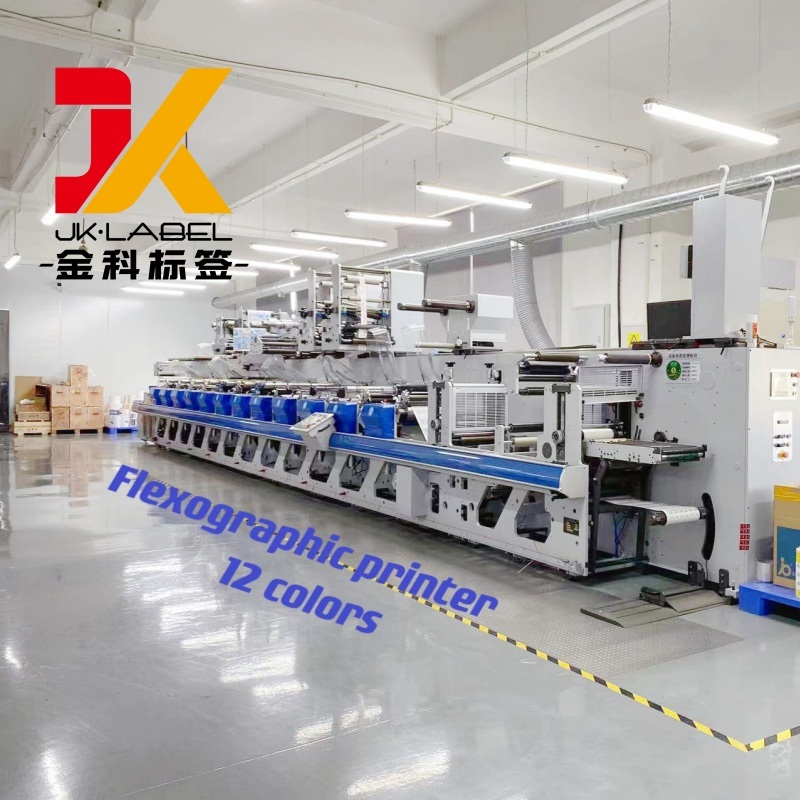
Fleksografisk trykking bruker fleksible relieffplater og en roterende prosess, noe som gjør den ideell for høyhastighets- og storvolumsproduksjon.
Viktige fordeler:
Typiske bruksområder:
Hva er offsettrykk?
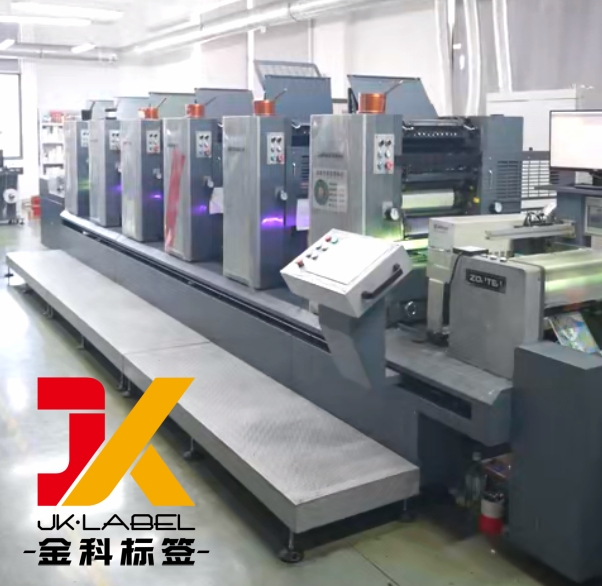
Offsettrykk overfører blekk fra en plate til et gummiteppe, deretter til materialet, noe som gir eksepsjonell detaljering og fargenøyaktighet.
Viktige fordeler:
Typiske bruksområder:
Flexo vs. Offset: Viktige forskjeller
| Trekk | Flexotrykk | Offsettrykk |
| Utskriftshastighet | Svært høy (ideell for store volumer) | Medium |
| Materialutvalg | Bred | Bred |
| Utskriftskvalitet | Høy | Høy |
| Kostnadseffektivitet | Best for lange løpeturer | Bedre for mellomlange løpeturer |
| Oppsettstid | Kort | Lengre |
Vår fordel: Fleksibel produksjonskapasitet
For å bedre kunne betjene ulike kundebehov, er vi utstyrt med to offsettrykkmaskiner og to fleksografitrykkmaskiner. Dette gjør at vi kan:
Enten prosjektet ditt krever høyhastighetsproduksjon eller utskrift av førsteklasses kvalitet, kan vi tilby den best passende løsningen.
Hvordan velge riktig utskriftsmetode?
Når du skal velge mellom Flexo og Offset, bør du vurdere:
Avsluttende tanker
Fleksotrykk og offsettrykk er ikke konkurrenter – de er komplementære teknologier. Det beste valget avhenger av ditt spesifikke bruksområde.
Med begge teknologiene internt kan vi evaluere dine krav til kunstverk, materialer og mengde for å anbefale den mest effektive og kostnadseffektive løsningen.
Hvis du trenger hjelp med ditt neste etikettprosjekt, kan du gjerne kontakte oss for prøver eller et pristilbud.
 +86 15805927008+86 15805928278
 Sales Executivelinda@jinkelabel.comSales Executiverosa@jinkelabel.comGeneral managerzane@jinkelabel.com
 No.99 Tongfu Road, Tongan district, Xiamen, China.

Våre timer
Mandag-lørdag: 8:00 til 18:00